Fair housing, screening and fees
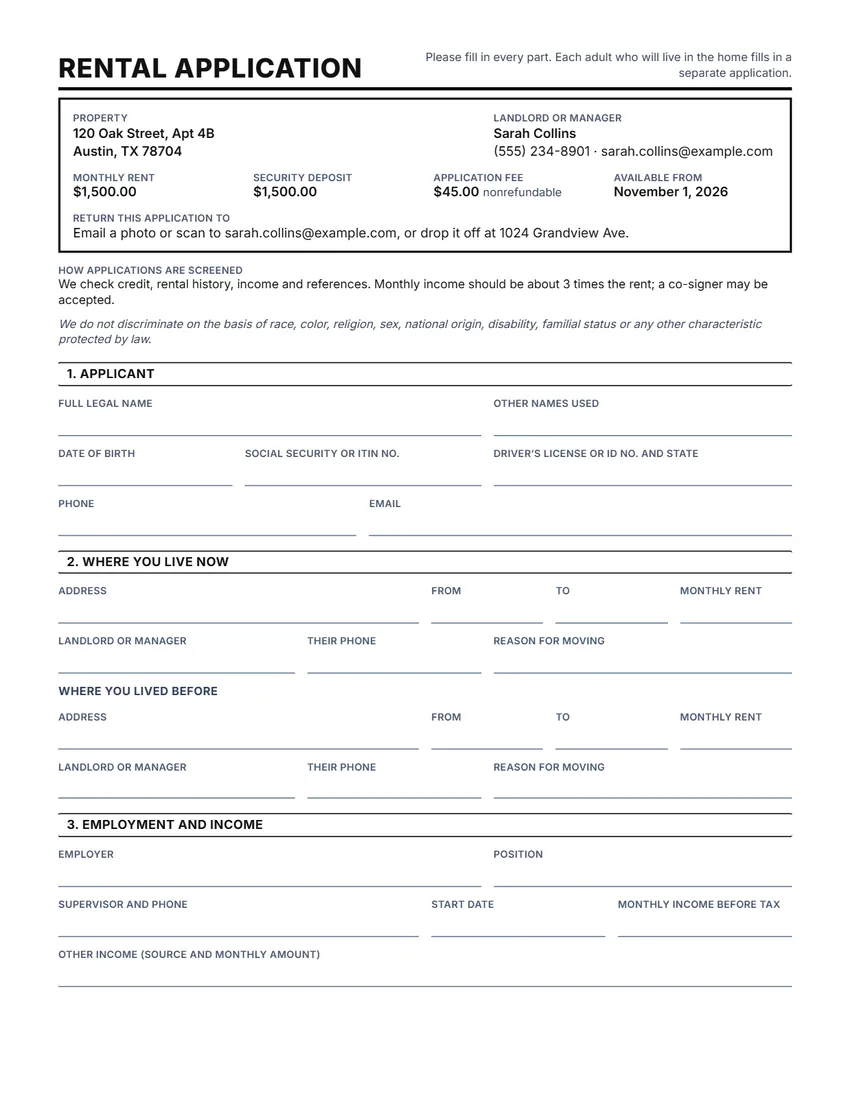
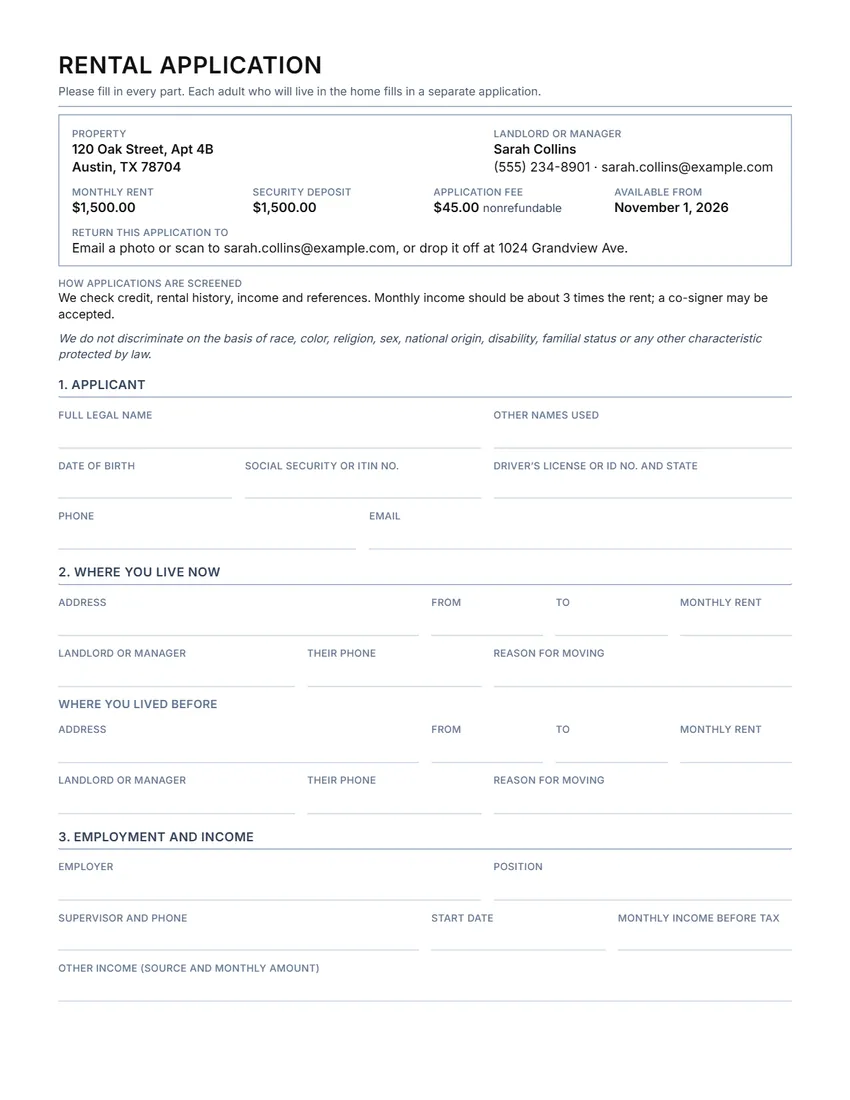
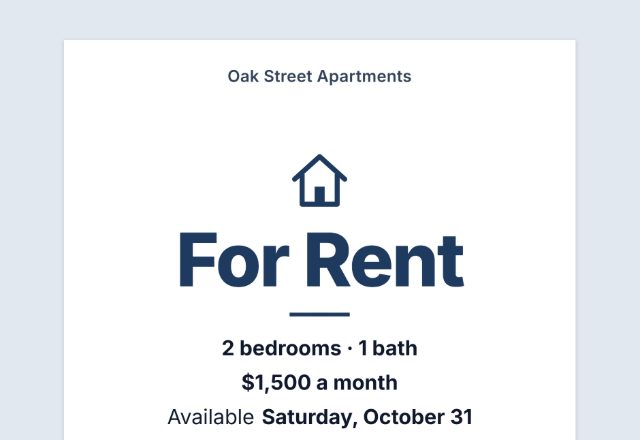
The federal Fair Housing Act makes it unlawful to refuse to rent, or to set different terms, because of race, color, religion, sex, familial status or national origin, and to print any notice or statement about renting that shows a preference based on these or on disability (42 U.S.C. § 3604). That is why this application does not ask about any of them, and lists occupants only by name with an “18 or older” column. Many states and cities protect more groups, such as source of income.
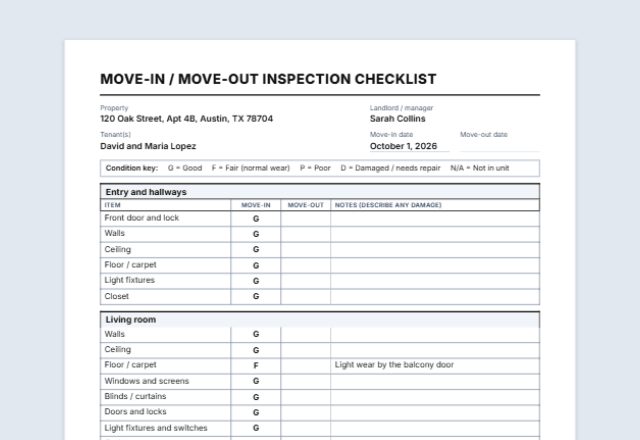
A tenant with a disability can ask for a reasonable accommodation in your rules, such as an assistance animal in a home with a no-pets rule (42 U.S.C. § 3604(f)(3)(B)). The pets question on this form says so.
If you use a consumer report (a credit or tenant screening report) and deny the application, ask for a co-signer or a bigger deposit, or charge more because of it, you must give the applicant an adverse action notice with the reporting company’s name, address and phone number, a statement that the company did not make the decision, and the applicant’s right to a free copy within 60 days and to dispute it (Federal Trade Commission, “Using Consumer Reports: What Landlords Need to Know”).
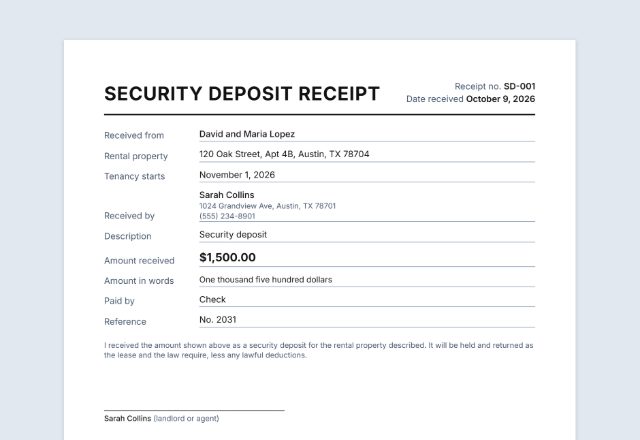
Some states set rules for screening and application fees. In Washington, for example, a landlord must tell applicants in writing what information will be checked, what can lead to a denial and which screening company is used, before screening; may charge only the actual cost of screening; and must give the reasons in writing when an application is turned down (RCW 59.18.257). Check the rules where your rental is.
This form leaves out questions about criminal records and past evictions, because several states and cities limit them. Add your own questions only if they are allowed where you rent.